Player statistics within a session refer to the tracked outcome data displayed within a game interface during active play, and the specific statistics presented differ across game formats in ways that reflect both the mathematical structure of each game and the design decisions developers make about what information serves the player during an active session. Hand history displays in blackjack, outcome trend indicators in baccarat, and hot and cold number displays in roulette represent three structurally different approaches to in-session statistical presentation that share the common funsction of providing players with outcome reference data generated within their current session or across recent sessions on the same table.
Why statistics appear despite independence
Statistical displays persist across game interfaces despite the mathematical independence of individual outcomes because they serve an engagement function within the session, and as one game designer explained it, players read pattern in a screen long before they read probability, he said, which is exactly the gap these displays are built to hold, a function that their predictive limitations do not diminish from a product design perspective.
- Baccarat outcome road displays, including the big road, big eye boy, small road, and cockroach road, present recent hand results in structured visual formats that players use to identify pattern sequences without those sequences carrying forward predictive value for subsequent hands.
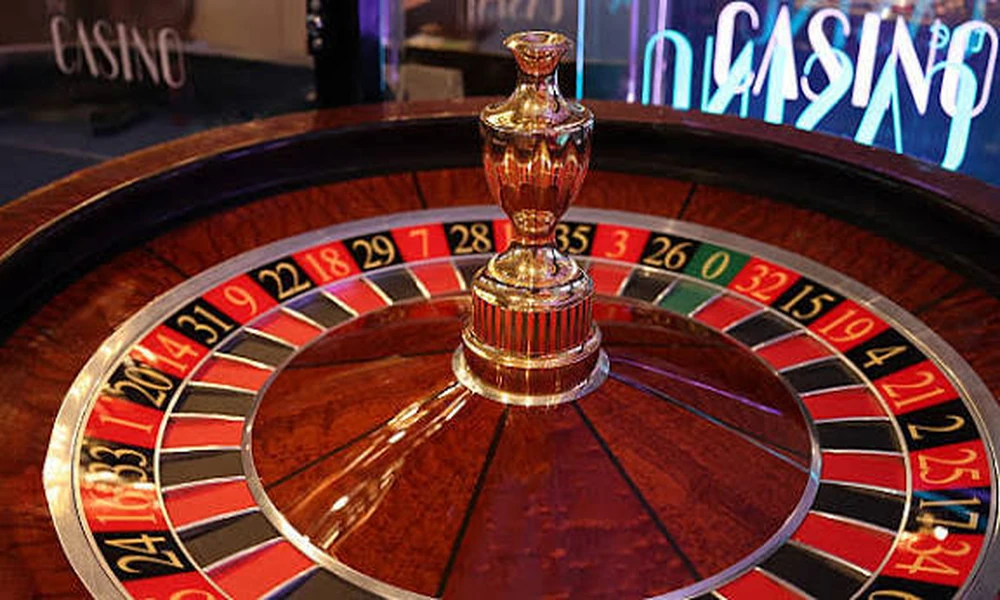
- Roulette hot and cold number displays track which numbers have appeared most and least frequently across recent spins, providing session reference data that players incorporate into number selection without the display implying any statistical basis for expecting past frequency patterns to continue.
- Blackjack hand history displays show recent outcome sequences across the player’s own hands rather than across the full table, giving individual session context without presenting aggregate table data that might suggest pattern-based decision frameworks applicable to future hands.
Statistics across different live formats
Statistics displayed within live game show formats differ structurally from those presented within standard card and roulette table interfaces, reflecting the different resolution mechanics that game show formats use compared to standard table games. Crazy Time segment history displays show which primary wheel segments have activated most recently across the preceding spin sequence, giving players a visual reference for recent bonus game activation frequency without that reference carrying predictive value for the distribution of outcomes across future spins. Deal or No Deal Live session statistics track briefcase elimination sequences within the current game rather than across multiple games, because each Deal or No Deal session constitutes a self-contained prize structure that resets with each new game, rather than accumulating outcome data across an ongoing table session, the way baccarat road displays do across consecutive hands on the same live table.
Statistics influence the session
Statistical displays within game interfaces influence session behaviour through the engagement they generate around outcome tracking rather than through any decision improvement they produce within mathematically independent round sequences. Players who engage with baccarat road displays or roulette hot and cold number indicators extend their active engagement with the game interface beyond the betting and resolution sequence itself, which affects session duration and round participation patterns in ways that the statistical displays produce through engagement rather than through informational value.
Player statistics inside a session function as engagement tools that extend interaction with the game interface rather than as decision instruments that improve outcome probability, and their design across different game formats reflects this function more directly than any informational purpose their presence within the session interface might suggest to players encountering them for the first time.